 Genie
GenieHow to make a wishlist
A gift fails not from greed and not from bad taste. It fails from information asymmetry. One person holds the answer to “what would land.” The other holds the wish to land it and almost no access to that data. While the answer stays hidden, the transaction runs without an input. The awkwardness we treat as character, or as “complicated relationships,” is usually just missing data.
In that sense a wishlist is not a shopping list and not a command. It is a protocol: a way to transfer the input before the occasion forces everyone to improvise. A good wishlist replaces mind-reading with a link.
A gift is a data problem
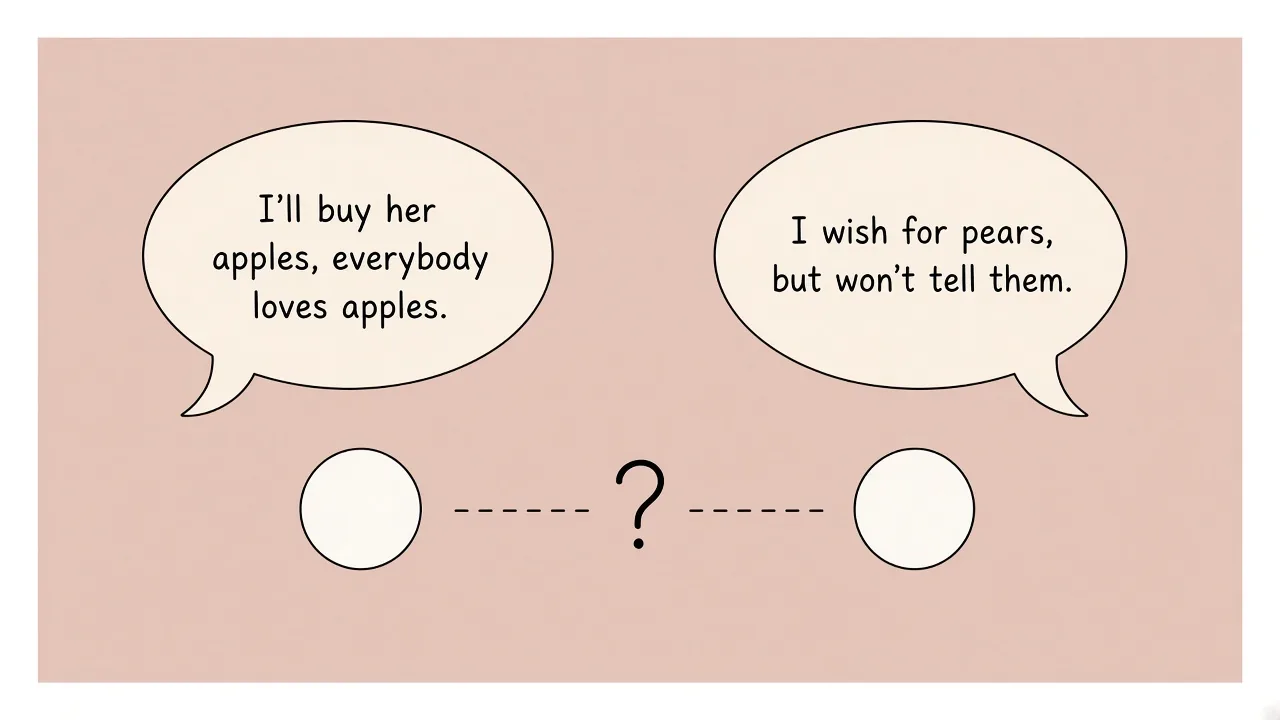
In any ordinary system of exchange, the parties know what is being transferred. With gifts we deliberately break that rule and call the breakage a “surprise.” Sometimes surprise works. More often it masks missing clarity: the giver guesses, compares, argues with themselves at the register, then hands over something with caution in their voice — what if it’s wrong.
Saying “oh, anything” feels like care. You don’t want to pressure anyone, look demanding, or turn a celebration into an order. It doesn’t help your friends. Politeness that hides desire doesn’t remove the work of choosing — it shifts that work onto the person already carrying the cognitive load. What looks soft in practice creates fog: everyone knows a gift is expected, and no one knows which one.
Viewed as a model, the picture is simple. The recipient has preferences. The giver has a budget, time, and a willingness to please. Between them, an input is required. Awkwardness is not “character” and not “a difficult person.” It is a symptom of missing data. Until the data is transferred, the system runs on guessing, and guessing is expensive for both sides.
Naming isn’t greed. Naming is care
It feels as if a clear ask makes you small or too direct: as if you “can’t be surprised” and have turned a gift into a transaction. The opposite is closer to the truth. When you name a thing specifically — not “something for the kitchen,” but this, like this, here is the link — you shrink someone else’s anxiety. The giver doesn’t have to read your mind. They can choose from solid ground, or step aside and invent their own. A list doesn’t close freedom; it sets coordinates inside which freedom becomes cheap.
Design thinking helps here. You cannot hide desire and still expect people to land. If the input stays hidden, there is nothing to build the protocol from: the giver works in fog, and you wonder at the miss. A good wishlist chooses a little more openness — not for self-display, but for someone else’s accuracy. Specificity is a compromise, not greed. You look a little less like “someone who doesn’t mind.” The other person fears missing much less. Awkwardness around gifts is often treated as a trait of character; more often it is simply missing data that nobody took responsibility for transferring.
A link as a visible protocol
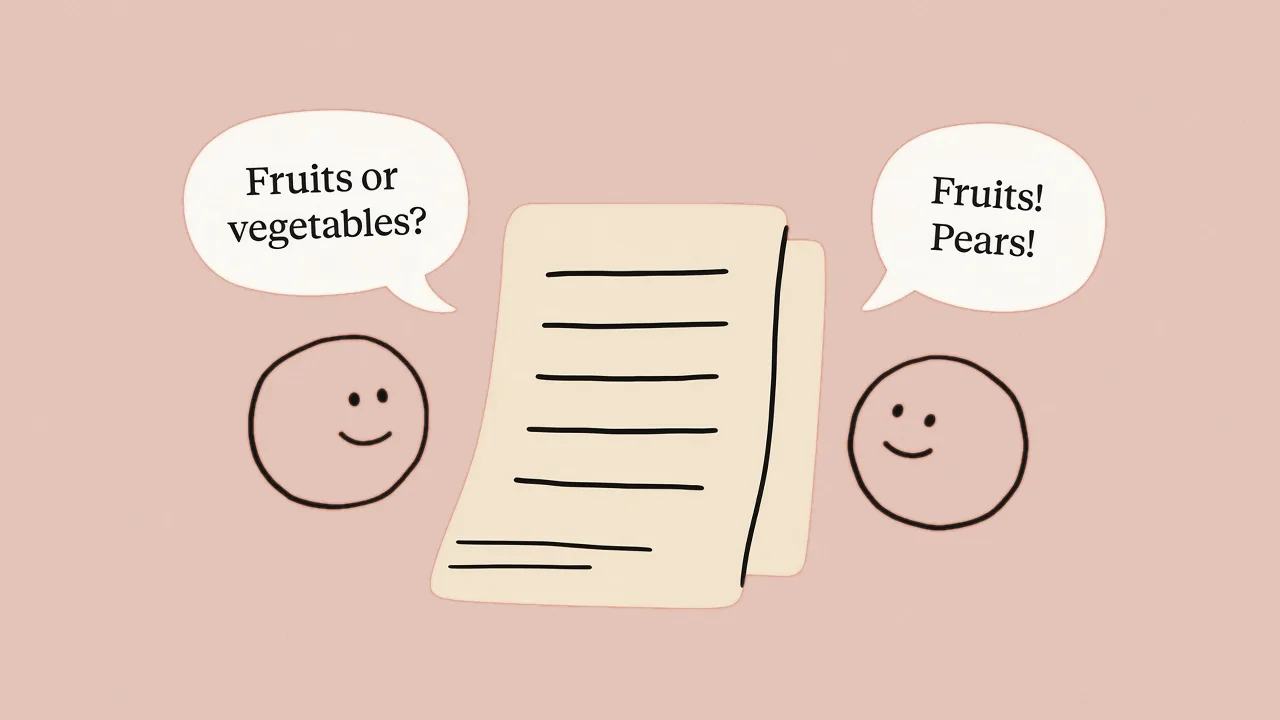
A wishlist only works when people see it — and here again, a compromise. Sending a list feels like a demand; not sending it leaves your friends without an input. The truth is in between: a protocol without an order. A link is a light form of visibility. You can open it, ignore it, take one thing and invent the rest. People usually don’t lack permission to give; they lack clarity about what to give so they don’t miss. Awkwardness almost always lives on the guessing side, not on the side of an honest transfer of data.
The word “wishlist” is English; the idea isn’t. People used to drop hints, then wrote on paper, now they send a link. The substance is the same: make desire visible before the occasion forces everyone to work without data. If a gift is an information problem, a wishlist is the protocol that closes it — not by mind-reading, but by transferring the input.
Once the data is transferred, care stops being a lottery. Surprise doesn’t disappear — it can sit on top of clarity: choose from the list, add something of your own, wrap it in a way no one expected. The protocol clears the fog; it doesn’t cancel the gesture.